
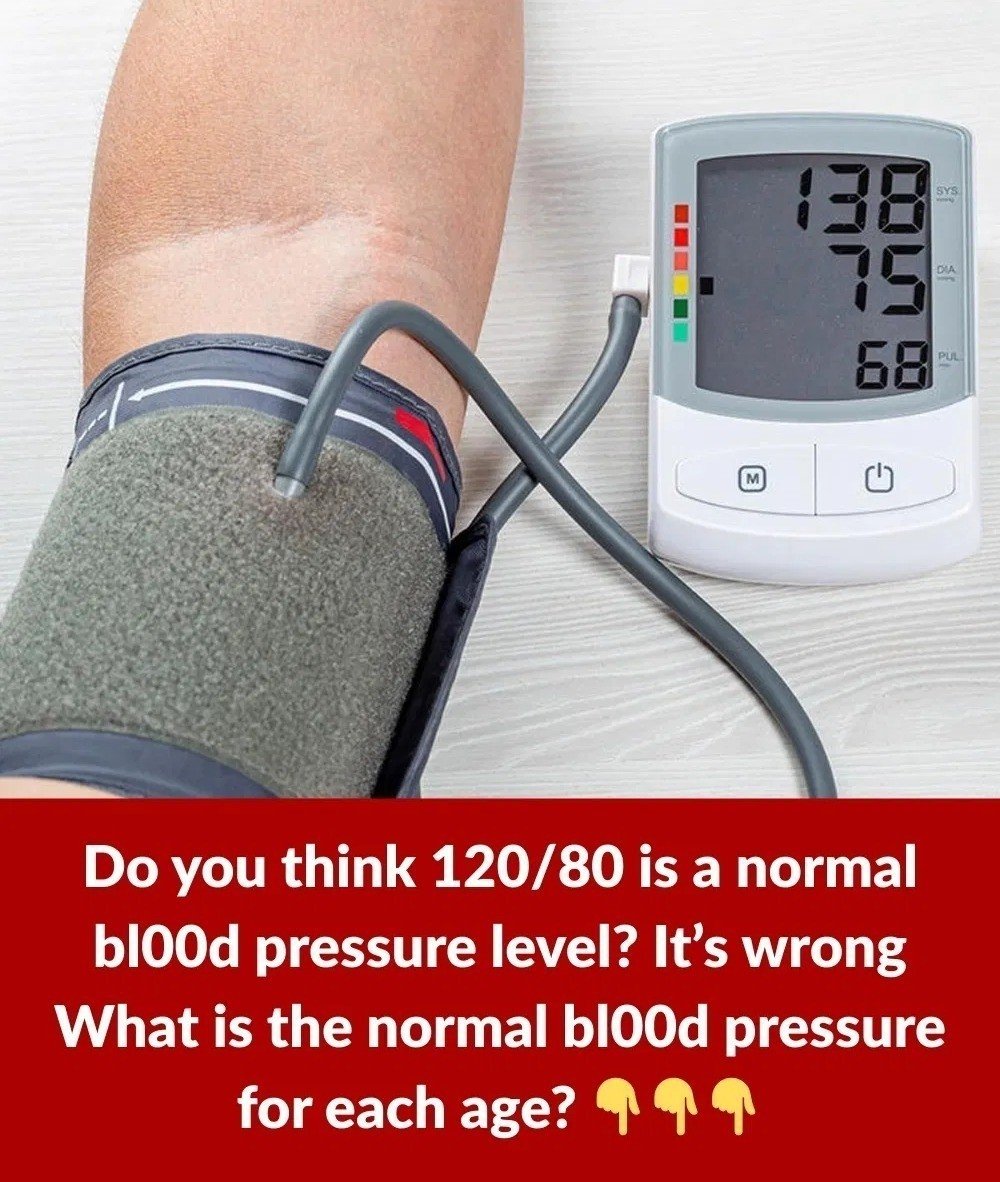
Average Blood Pressure in Adults by Age & Gender
While 120/80 mmHg remains a healthy target for most adults, averages tend to rise with age due to vascular changes.
| Age Group | Women (Average) | Men (Average) |
|---|---|---|
| 18–39 years | 110–120 / 70–80 mmHg | 115–125 / 70–80 mmHg |
| 40–59 years | 120–130 / 75–85 mmHg | 120–135 / 75–85 mmHg |
| 60+ years | 130–140 / 70–90 mmHg | 130–140 / 70–90 mmHg |
Important: These are averages, not targets. Consistently staying below 120/80 mmHg is ideal for long-term heart health.
Why Blood Pressure Rises with Age
-
Arterial Stiffness: Blood vessels lose elasticity over time.
-
Plaque Buildup: Cholesterol deposits can narrow arteries.
-
Hormonal Changes: Especially post-menopause in women.
Lifestyle Factors: Diet, activity, stress, and weight.
How to Maintain Healthy Blood Pressure at Any Age
1. Adopt a Heart-Healthy Diet
-
DASH or Mediterranean diets: Rich in fruits, vegetables, whole grains, lean protein.
-
Reduce sodium: Aim for < 1,500–2,300 mg per day.
-
Increase potassium: Bananas, spinach, sweet potatoes, beans.
2. Stay Active
-
150 minutes/week of moderate exercise (brisk walking, cycling).
-
Include strength training twice a week.
3. Manage Weight
-
Losing 5–10% of body weight can significantly lower BP.
4. Limit Alcohol & Avoid Smoking
-
Alcohol: ≤1 drink/day for women, ≤2 for men.
-
Smoking: Damages blood vessels; quitting improves BP quickly.
5. Manage Stress
-
Practice mindfulness, deep breathing, yoga, or hobbies.
6. Monitor Regularly
Home monitoring can help track trends and effectiveness of lifestyle changes.
