
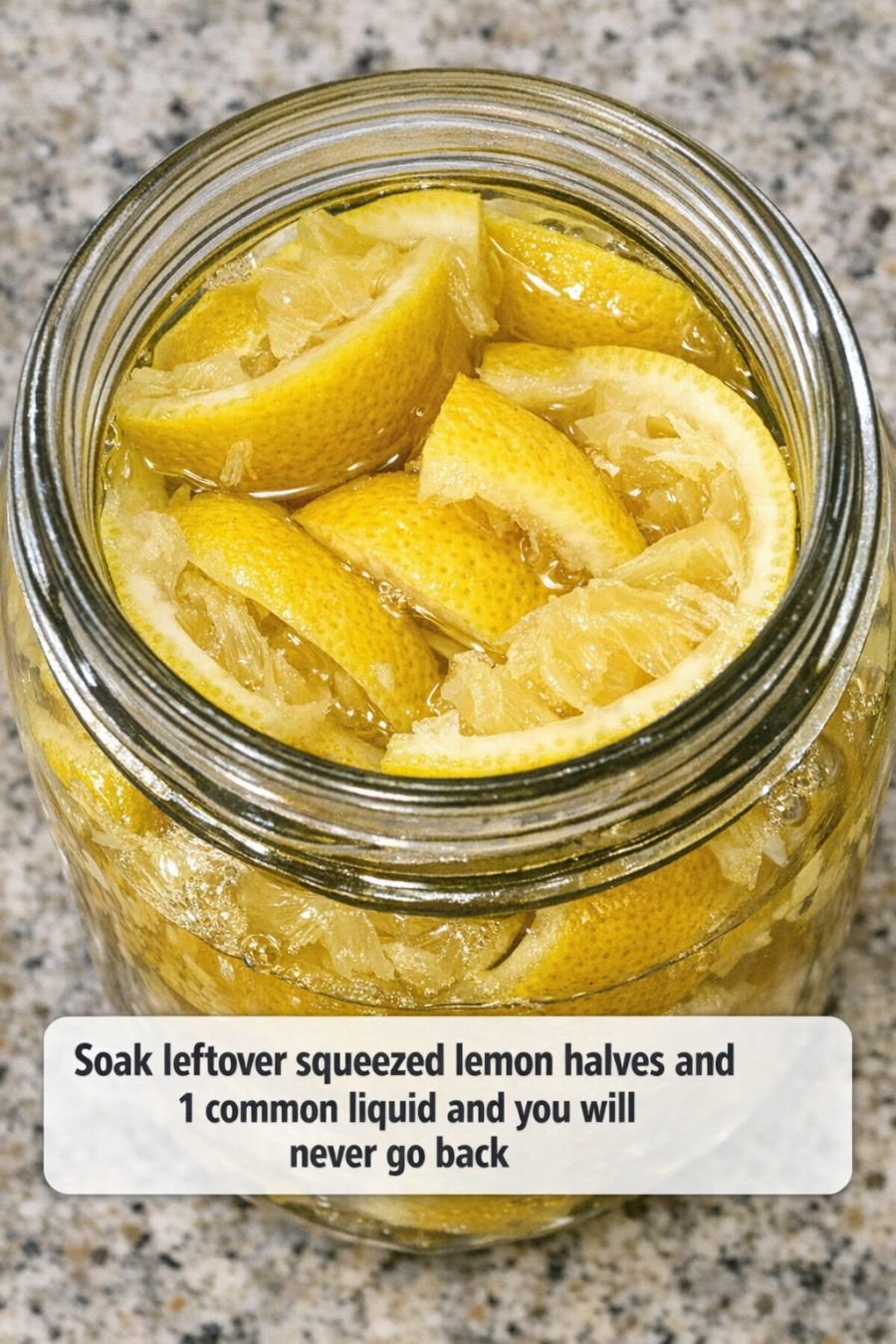
4. The Science Behind Dissolving Hard Water Stains
The effectiveness of the lemon-and-vinegar solution is rooted in chemistry.
-
Hard water stains are primarily composed of calcium carbonate
-
Calcium carbonate is readily dissolved by acids
-
Citric acid (lemons) and acetic acid (vinegar) work together to break down calcium carbonate
How It Works
As the acids interact with the mineral deposits, they:
-
Dissolve the bonds holding the deposits together
-
Allow the deposits to be wiped away easily
-
Leave behind a slightly acidic residue that helps deter future deposits
5. Best Surfaces to Tackle With Your Lemon-Vinegar Soak
| Suitable Surfaces | Use With Caution | Avoid Completely |
|---|---|---|
| Glass shower doors | Natural stone (marble, granite) | Unsealed stone |
| Faucets and showerheads | Limestone | |
| Ceramic tiles | ||
| Kitchen sinks | ||
| Bathroom fixtures |
Important: Avoid using on natural stone surfaces like marble or granite, as the acids can etch and damage the stone.
6. Step-by-Step: Using Soaked Lemon Halves to Remove Stubborn Buildup
-
Spray the lemon-infused vinegar solution onto the affected surface
-
Allow it to sit for a few minutes to penetrate and loosen deposits
-
Scrub using one of the soaked lemon halves, applying gentle pressure in a circular motion
-
Rinse the area with water
-
Wipe clean with a soft cloth
Why this works: The combination of infused vinegar and the abrasive texture of the lemon peel helps lift stains effectively.
